

Speaking Võro in Estonia.
Interview with Jüvä Sullõv
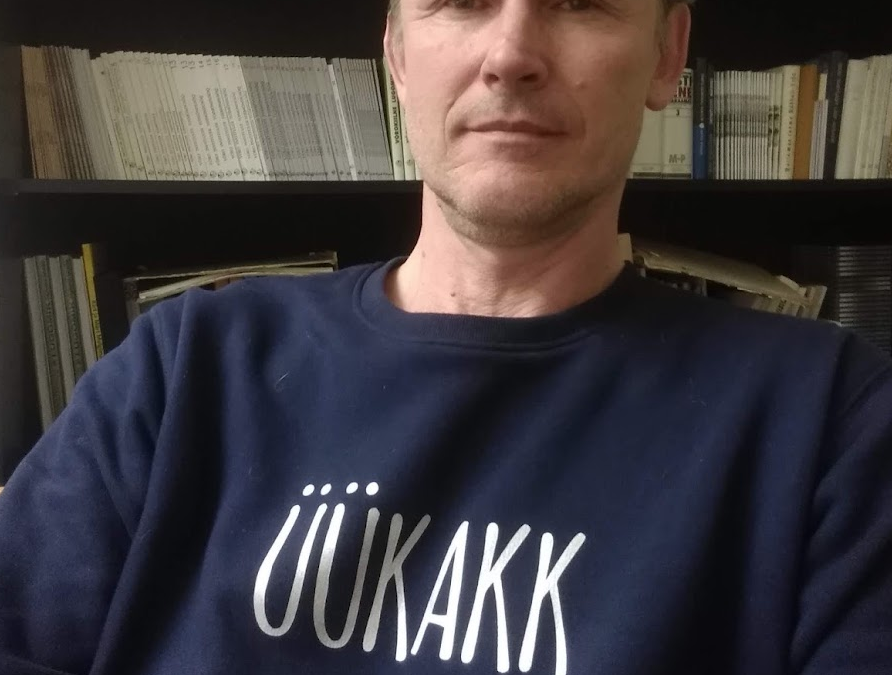

As part of our brand new series of interviews with minority language activists, we are featuring the Võro Instituut, an organization working to promote the Võro language , a regional language in Estonia.
LISTEN (L) interviewed Sulev Iva (JS, Jüvä Sullõv in Võro), one of the Institute’s researchers, to learn more about their work.
L: Tell us about your organization and its language-related work.
JS: The Võro Institute is a small state-supported institution for the study and development of the Võro language, located in the city of Võru in South Estonia. The institute organizes the development of digital resources and language technology in Võro, provides language advice and supports raising the legal status and prestige of Võro.
L: What is the current state of your language?
JS: Võro is an indigenous regional language of Estonia, but it is still not recognised by the Estonian state as a language in its own right. As such, Võro still has the status of a dialect in Estonia, even though it is mostly considered a language, not a dialect, both within the Võro language community and in Estonian society at large.
Võro is an endangered language.
L: How and where is your language used? Is it broadly used or not? Is it normal to hear your language everywhere or not? Do you use it in all of your life activities or not?
JS: Võro is mainly used orally. The written language is used much less. However, in recent years, there has been an increase in the use of Võro in social media, mainly on Facebook. In education, despite the long-standing efforts of the Võro Institute, Võro is still very marginal, as well as in the media and on public signs. In the Võro-speaking area it is normal to hear Võro, but it is mainly heard from older and middle-aged people. Very rarely from younger people.
Personally, though, I speak and write almost exclusively in Võro every day, at home, at work and elsewhere. With my spouse and children I speak and write only in Võro, and they with me only in Võro. But I know that the vast majority of people who speak Võro hardly speak it at all with their children, and they very rarely use it in writing.
L: Can you describe some of the challenges that prevent you and other people from using your language on some occasions? Have you ever felt any pressure not to use your language in some contexts? Have you ever been explicitly forbidden to use your language?
JS: Generally, it’s fine speaking and writing in Võro. However, writing in Võro can also be a problem in the Võro-speaking world, because in a more formal context Estonian is expected.
As Võro and Estonian are very closely related languages, in general you can speak to all Estonians in Võro and they will more or less understand. However, speakers of Võro do not usually speak their own language with those who speak Estonian with them.
Võro may not be very prestigious in Estonian society compared to Estonian, but it still has a generally positive image in society today. Rarely, however, I have encountered situations where I speak or write in Võro and am asked to do so in Estonian. The reason usually given is that either the person who asked me does not understand Võro well, or it is claimed that other people do not understand Võro.
Often all the speakers of Võro switch to Estonian if there is even one person in the group who does not speak Võro. Speaking or writing in Võro is often considered funny, and sometimes people laugh at (or feel amused by) speaking in Võro, even if they are having a completely serious conversation. The use of Võro may simply seem funny or inappropriate to Estonian speakers, especially in a more formal context.
L: Do you think that there could be anything that could be done? And by whom?
JS: The Estonian government and the municipalities in the Võro language area should recognise Võro as a language in its own right. Estonian laws and language use practices should ensure real protection and support for the Võro language. This should be done through regular media in Võro language (daily news in Võro, etc.), bilingual education in Võro and Estonian, and, in general, by seriously including the Võro language in Estonian language, education and media policies.
Of course, the speakers of Võro themselves should also be much more courageous and confident in their own language, speak and write more in their own language and not switch so easily to Estonian, even if it has become a habit for them.